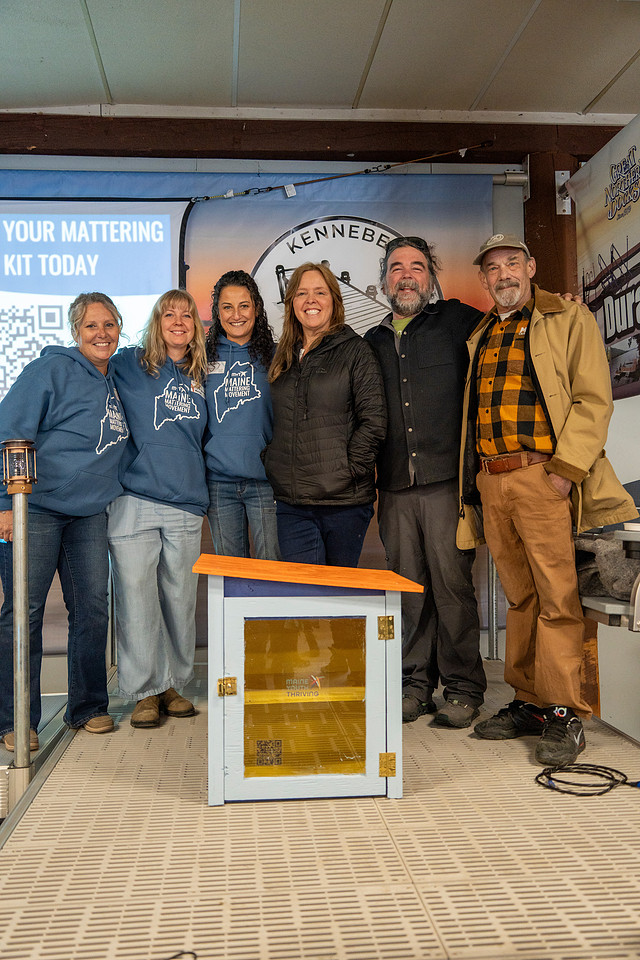
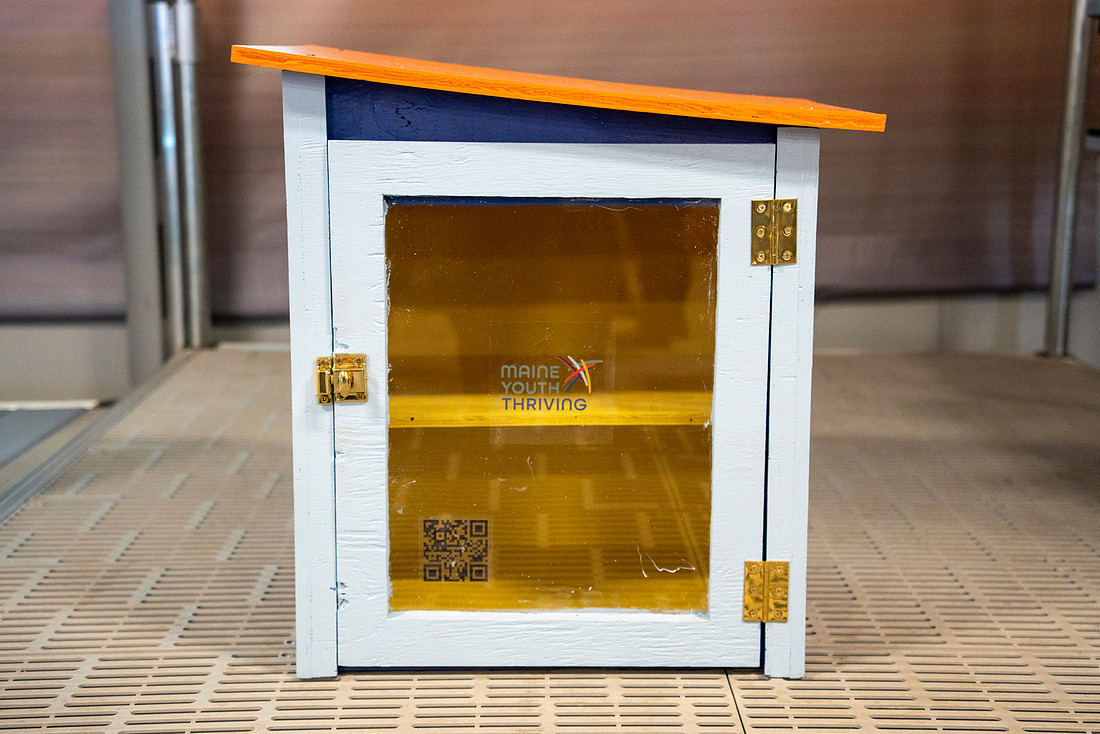
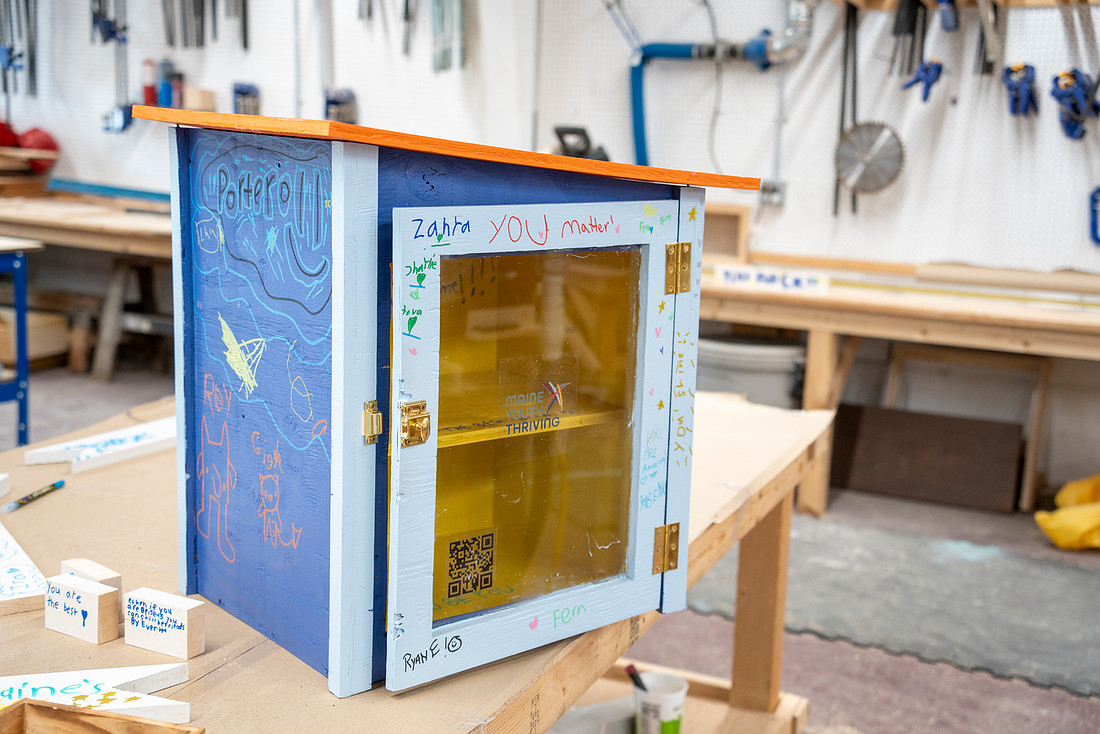
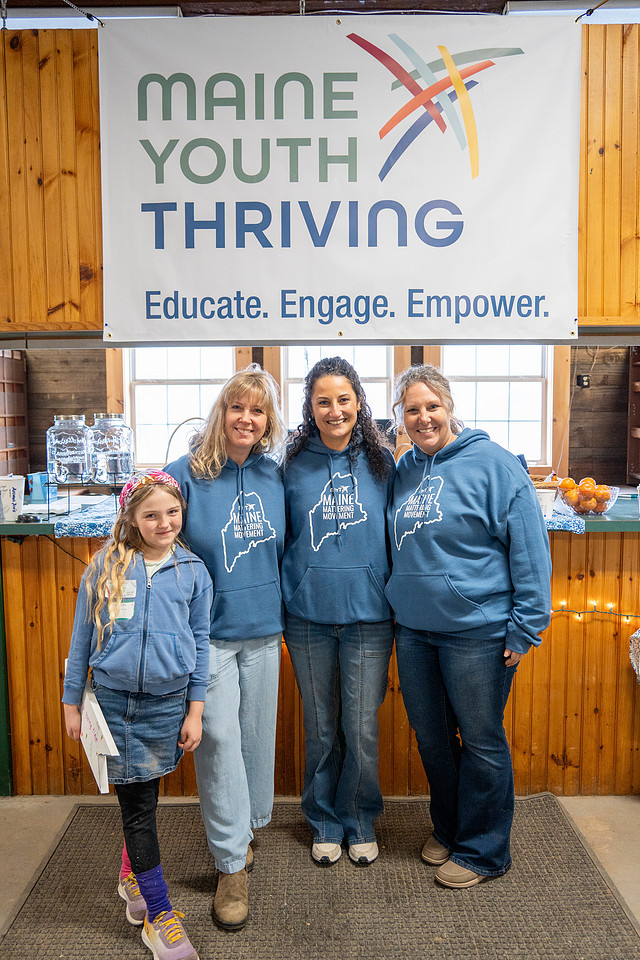
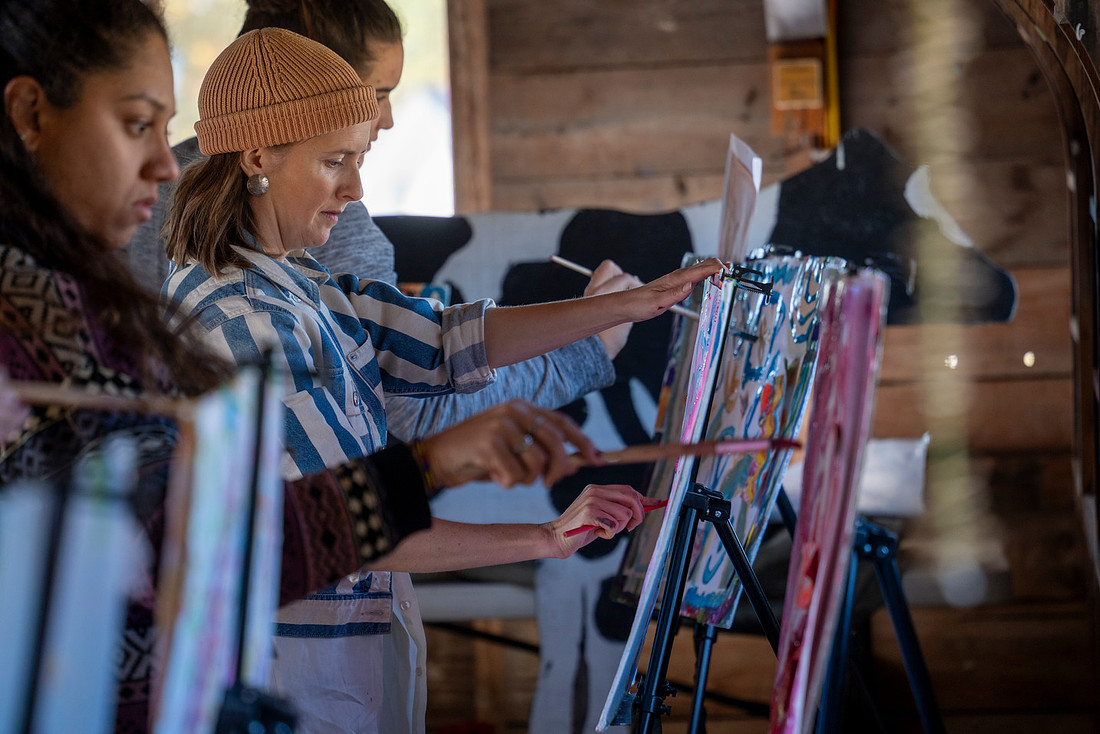
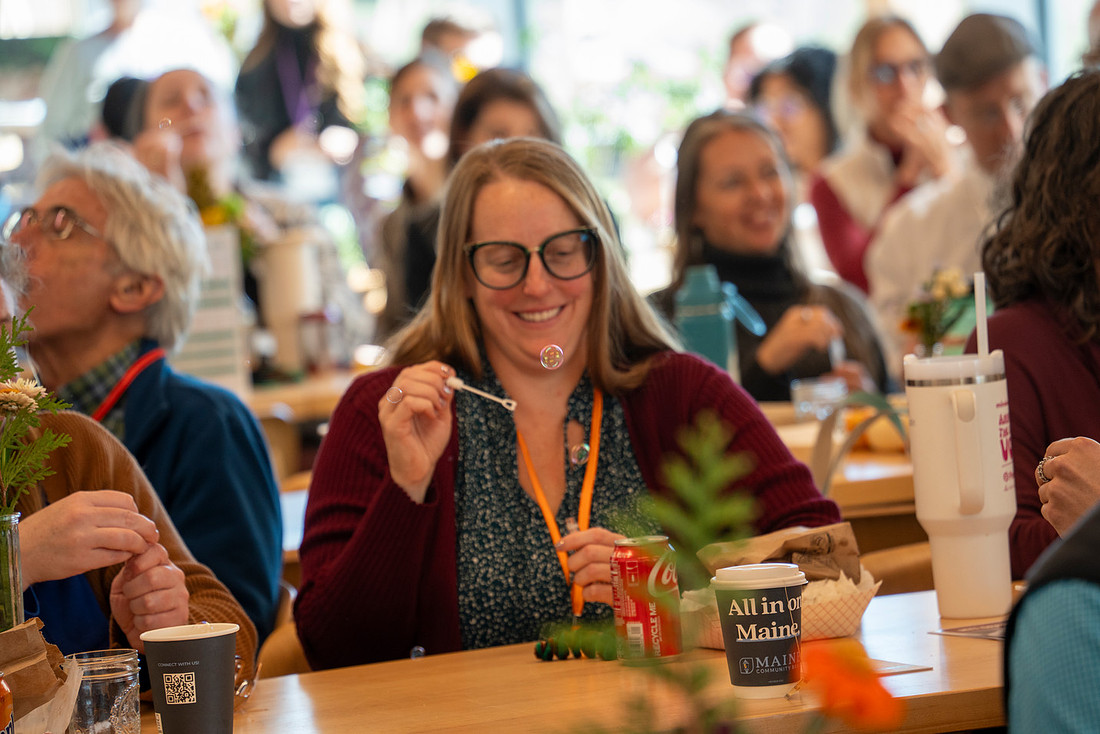
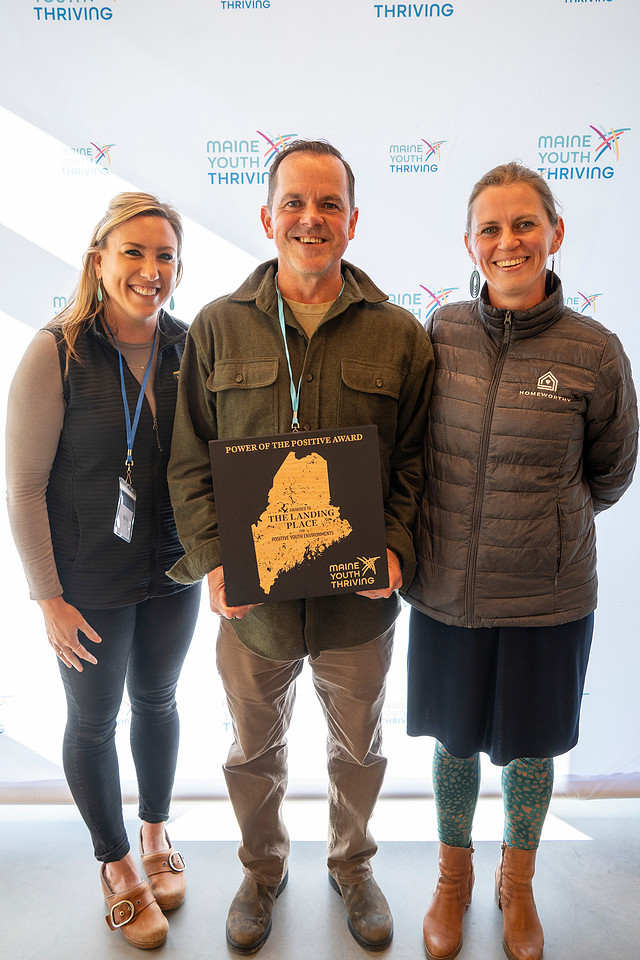
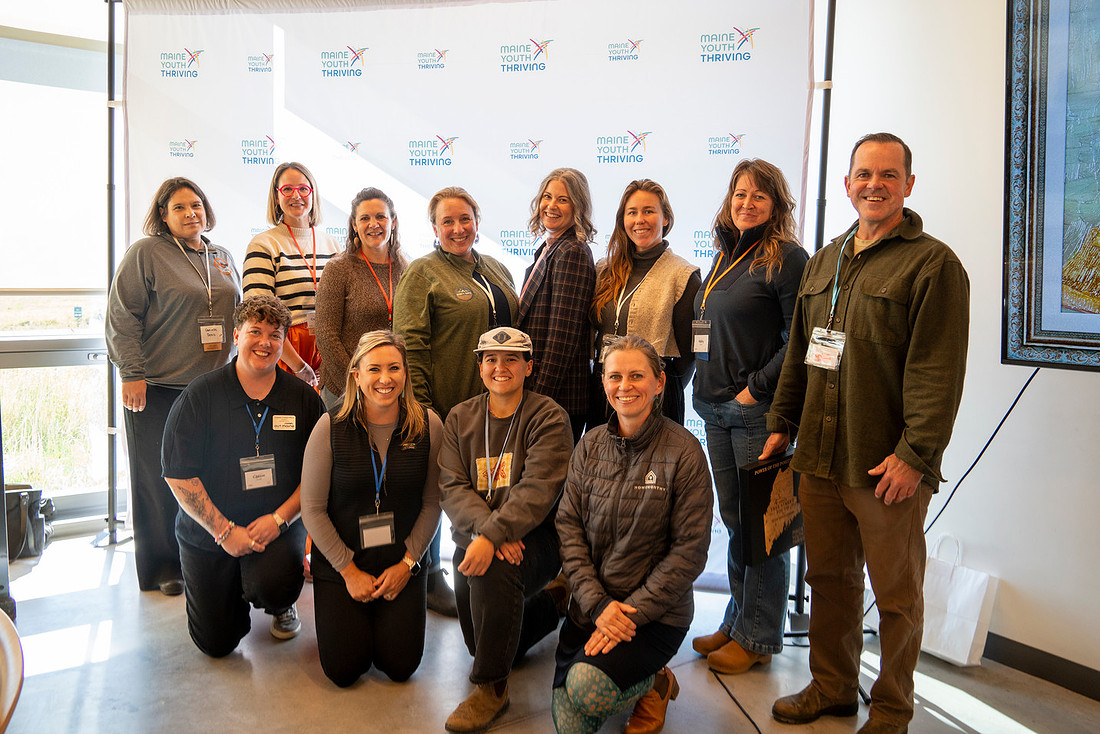
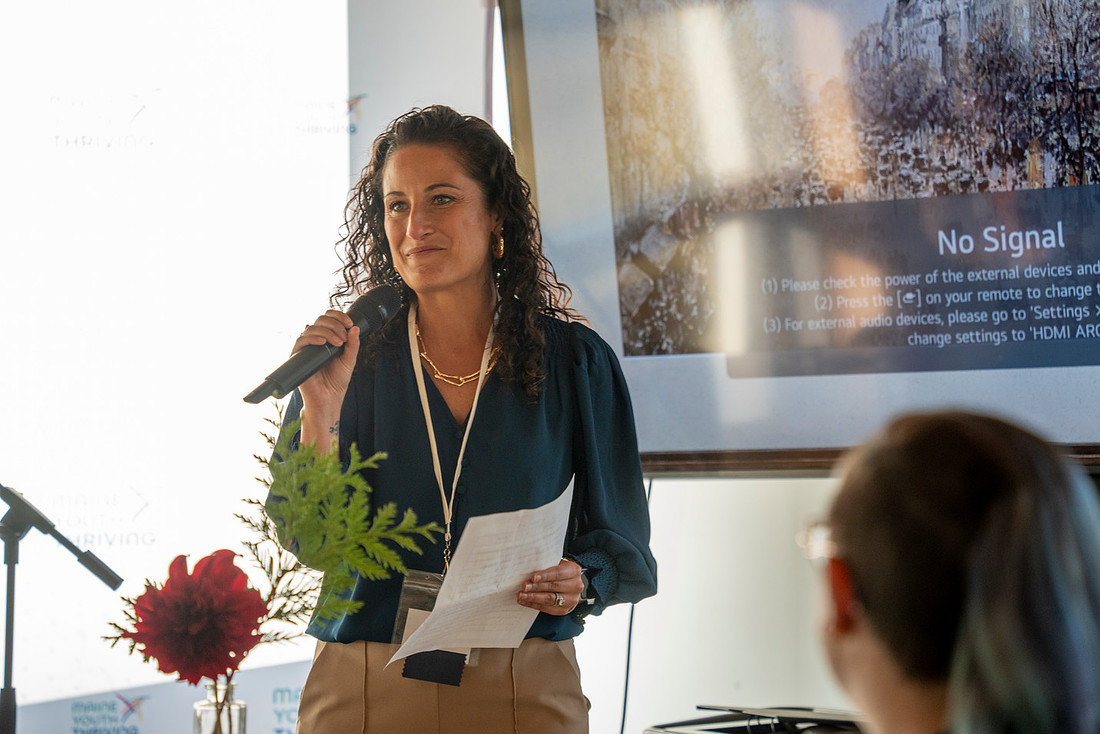
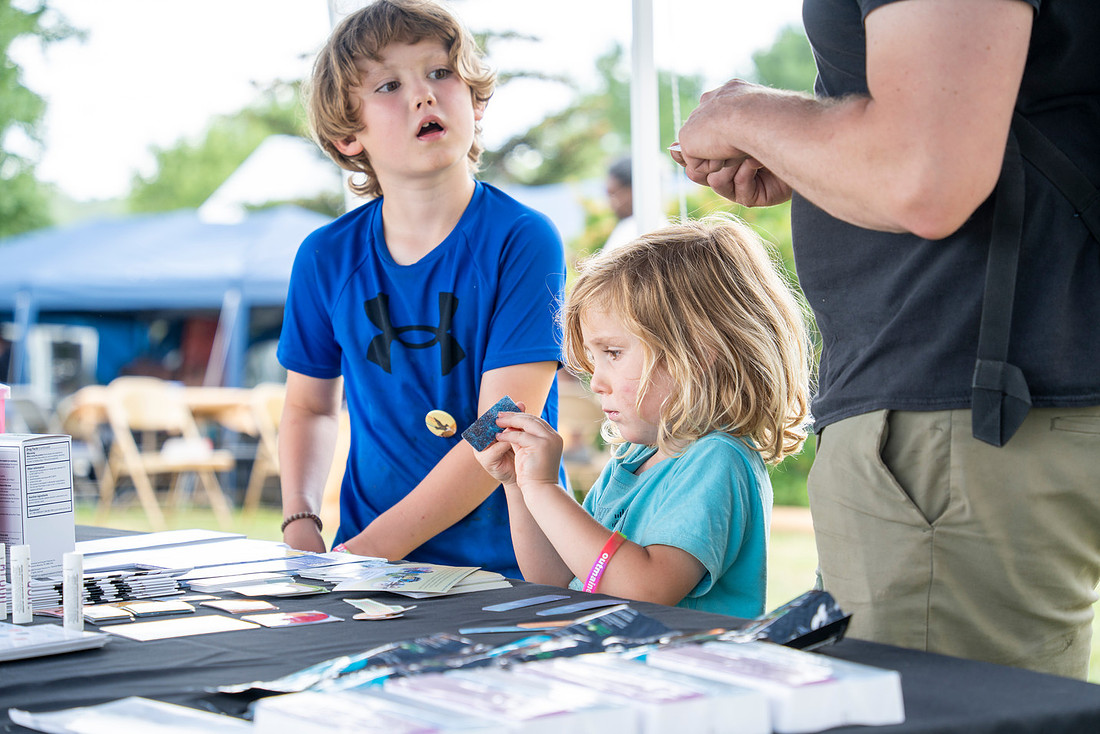
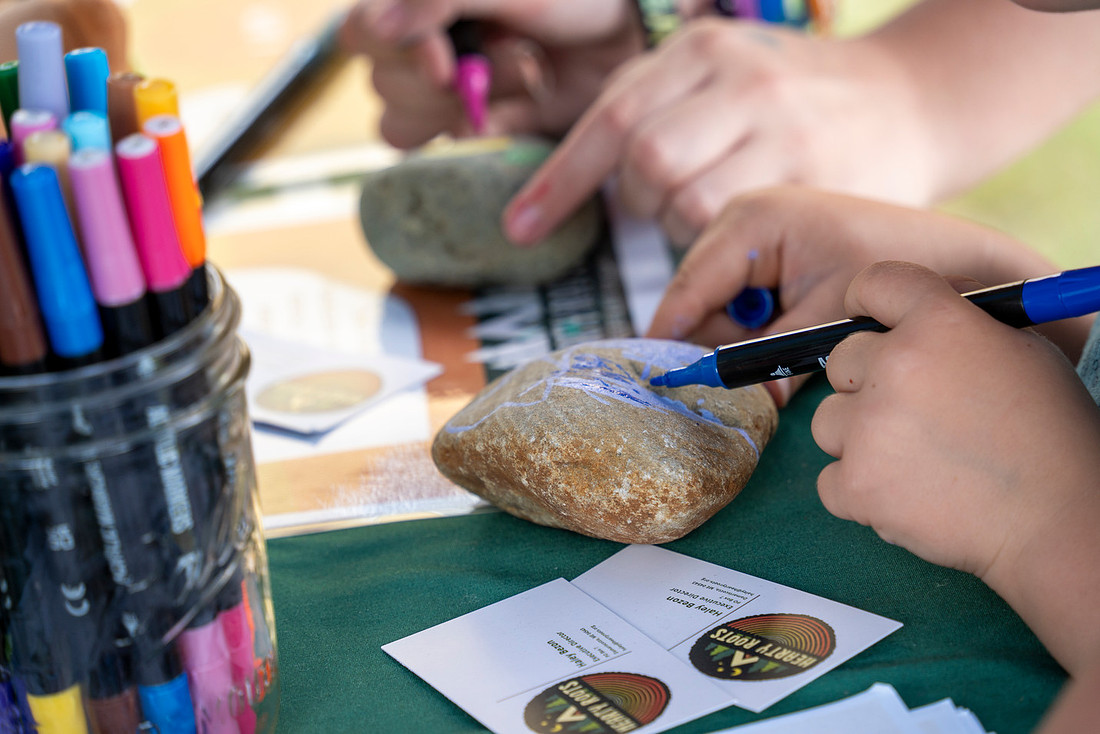
Maine Youth Thriving introduced the very first Mattering Cabin at Maine Cabin Masters headquarters. At a glance, it looks familiar. About the size of a Little Free Library, tucked into a space you might otherwise pass by.
But instead of books, it holds something else entirely.
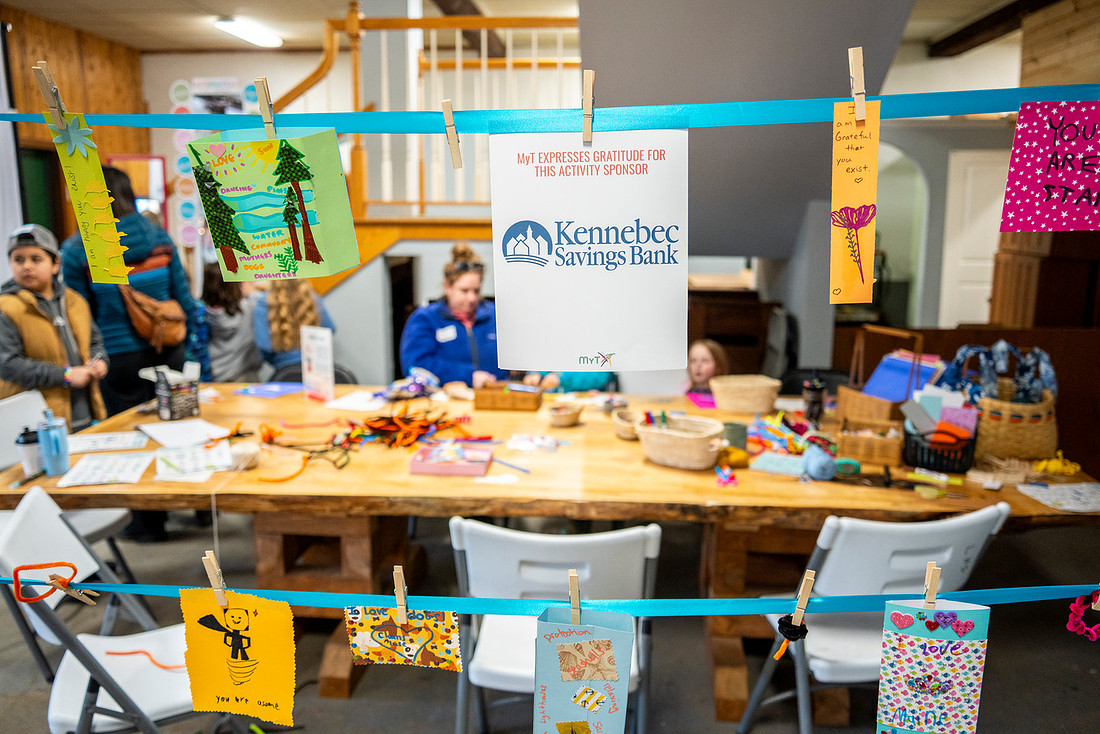
Notes. Small objects. Messages left by others. Simple reminders meant for anyone who needs them: you matter.
There’s something powerful about the scale of it.
You don’t have to sign up. You don’t have to explain yourself. You don’t have to be part of a program or know anyone involved. You just walk up, open the door, and take what you need. Or leave something behind for the next person.
It’s quiet. It’s unassuming. And it meets people exactly where they are.
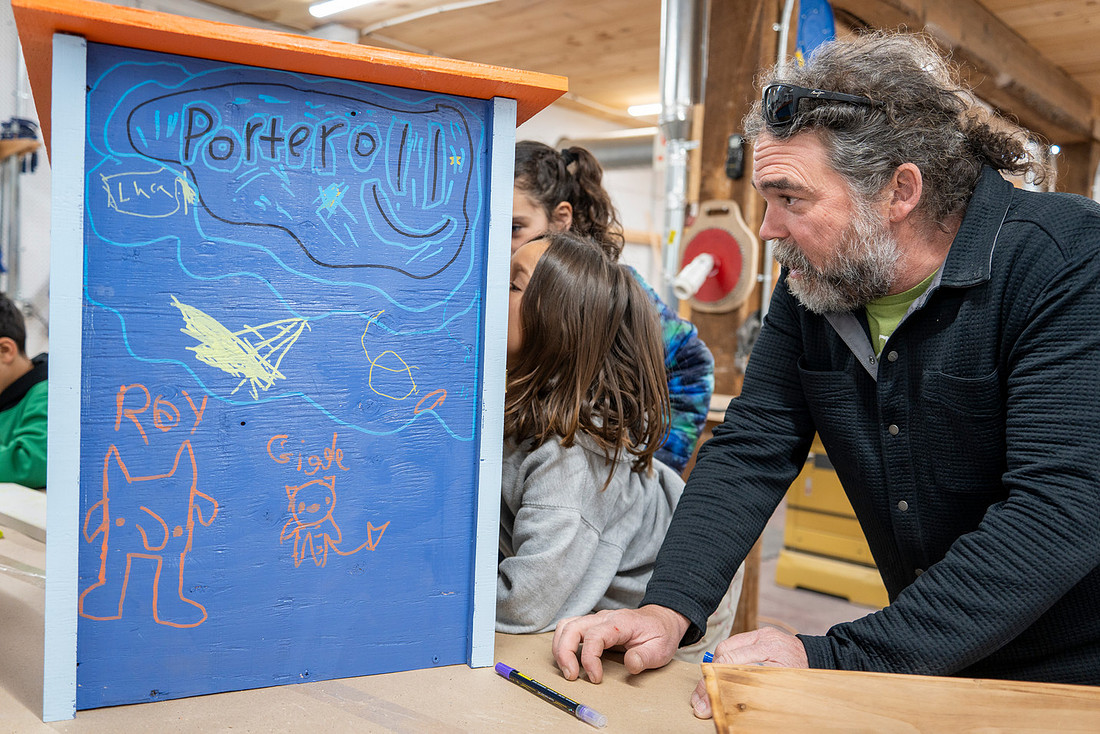
Photographing the reveal, I found myself less interested in the “moment” of unveiling and more drawn imaging how people will interact with it afterward. The pause before opening the door. The curiosity. The softness that follows.
These aren’t big, performative reactions. They were small, human ones.
And that’s the point.
We often think about impact in terms of scale. Bigger programs. More reach. Broader awareness. But what Maine Youth Thriving is doing here is a reminder that impact can also live in small, repeatable moments.
A note someone finds on a hard day.
A message that lands at exactly the right time.
A quiet interruption to the belief that they’re alone.
The Mattering Cabin doesn’t demand attention. It offers it.
And in doing so, it creates something rare—a moment of connection between people who may never meet, but who are still showing up for each other in the simplest way possible.
That’s the kind of work that stays with you.
Click here to learn more about Maine Youth Thriving and click here to learn how you can bring a Mattering Cabin to your community.


Saguaro National Park was the latter.
Melissa and I traveled to Arizona for a friend’s wedding in Phoenix, and whenever we’re traveling somewhere new, I have a hard time simply flying in for the thing we came for and flying home again. So we arrived a couple of days early, rented a car, and gave ourselves some time to explore.
One of those days took us south, toward Tucson and Saguaro National Park.
Coming from Maine, I’m accustomed to landscapes defined by water and trees. Dense forests. Rocky coastlines. Mountains covered in spruce and fir. Places where green fills nearly every empty space.
The Sonoran Desert asks you to look differently.
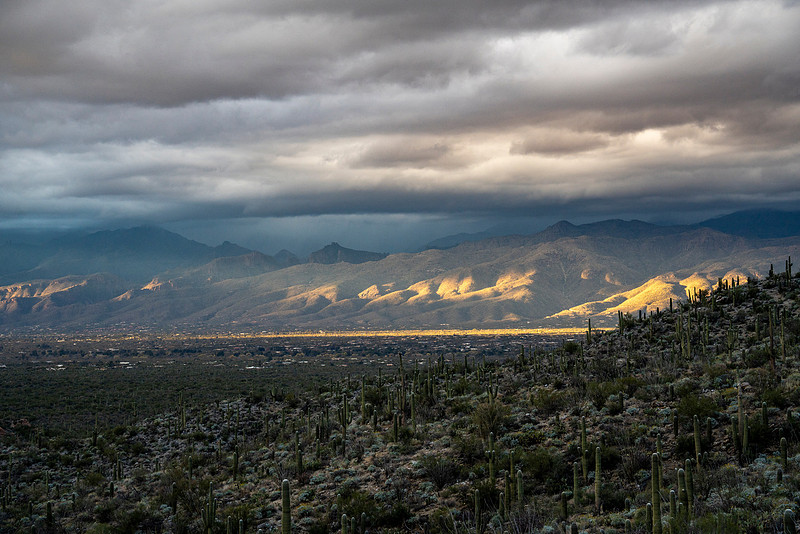
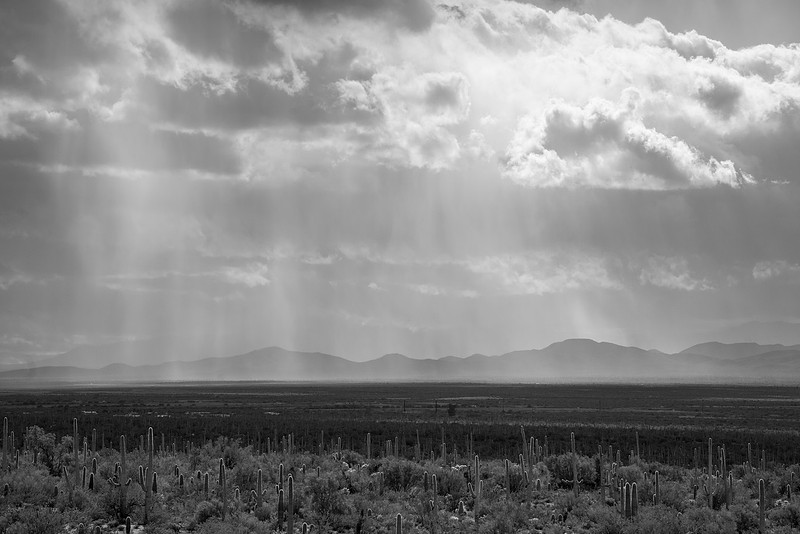
At first glance, the landscape feels sparse. There’s so much open space between things. The mountains stretch out in the distance, the earth takes on shades of tan and rust, and nearly everything growing from it seems to have evolved some elaborate way of defending itself.
But spend a little time there and the emptiness disappears.
The desert is absolutely full of life.
Saguaros rise above everything else, sometimes standing alone and sometimes stretching across the landscape by the hundreds. Prickly pear and cholla fill the spaces below them. Birds move between cactus arms. Tiny flowers and unexpected flashes of color appear against what, from a distance, can look like nothing more than rock and sand.
And the saguaros themselves are extraordinary.
They grow only in the Sonoran Desert, and they grow incredibly slowly. According to the National Park Service, a saguaro may grow only an inch or an inch and a half during its first eight years. They typically don’t begin growing their iconic arms until somewhere around 50 to 70 years old, and some live for more than 200 years.
Standing among them changes the way you see them.
They stop looking like symbols of the American Southwest and start looking like individuals.
Some are tall and perfectly straight. Others have two arms, five arms, ten arms. Some twist in strange directions or carry the scars of decades spent surviving heat, drought, storms and everything else the desert has thrown at them.
There is something wonderfully imperfect about them.
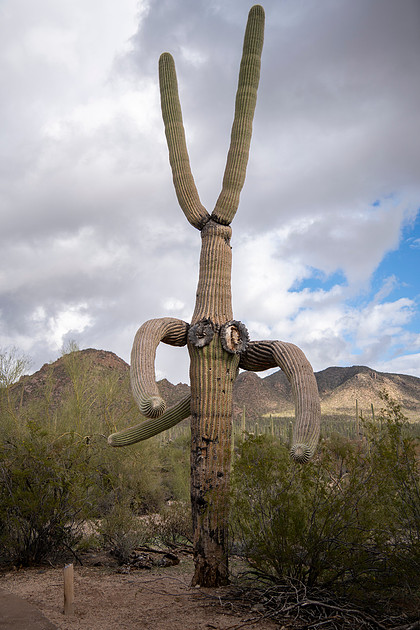
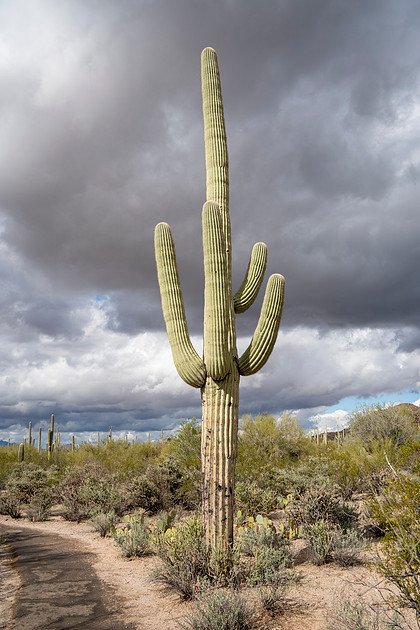
That individuality is also what made Saguaro such an interesting place to photograph.
Photography has always been one of the ways I slow myself down enough to really see a place. When I have a camera in my hand, I start noticing relationships I might otherwise walk past: the way one cactus overlaps another, the repetition of shapes across a hillside, the contrast between something impossibly green and the muted earth surrounding it.
Saguaro National Park gives you an almost endless supply of those moments.
There’s also something about the scale of the place that photographs struggle to capture. A saguaro can reach around 40 feet tall, but even these enormous plants can look tiny against the mountains and the vastness of the desert.
Then you walk up to one and realize you’re standing beside a living thing that may have been growing there for longer than anyone you have ever known has been alive.
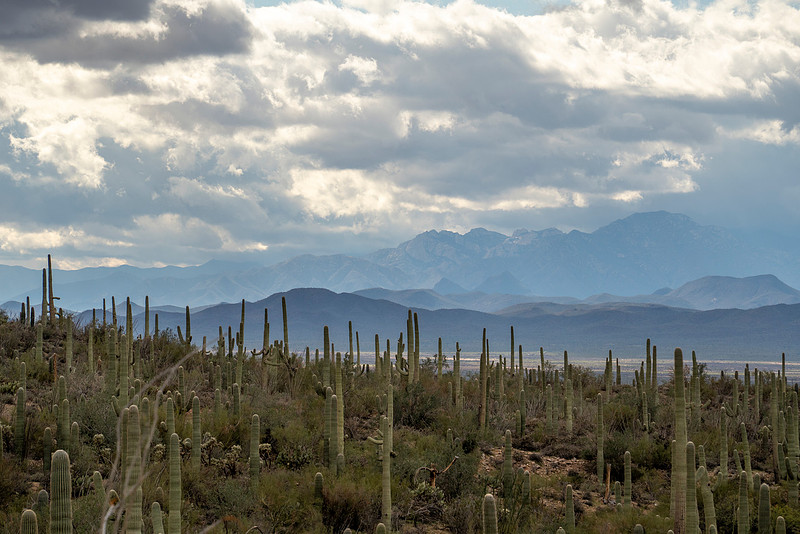
That sense of time stayed with me.
I spend a lot of my life thinking about our relationship with the natural world, and national parks have a way of making that relationship tangible. Saguaro exists in large part because people decided this particular ecosystem, and the life within it, was worth protecting.
And there is a lot here worth protecting.
Saguaros provide food, water and shelter for an enormous range of desert wildlife. Their flowers feed birds, bats and insects. Birds carve nesting cavities into their trunks. Their fruit has sustained people for generations. The saguaro is also culturally significant and sacred to the Tohono O’odham people, whose relationship with these plants long predates the boundaries of a national park.
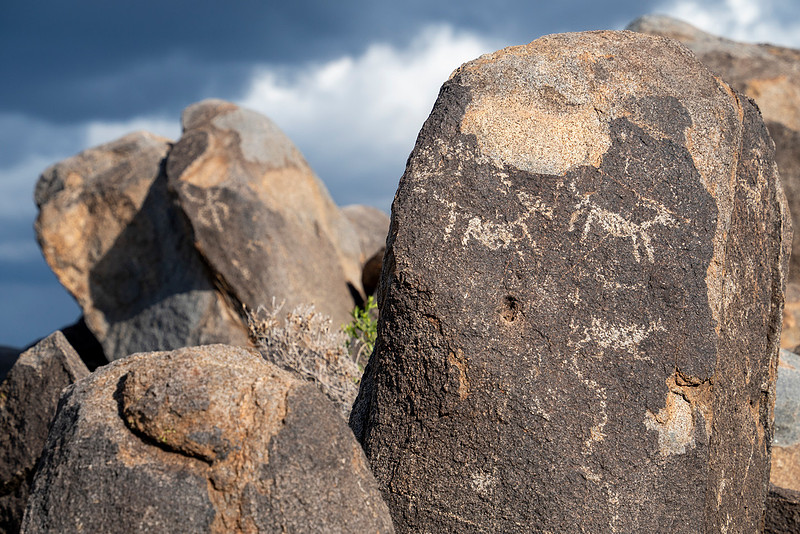
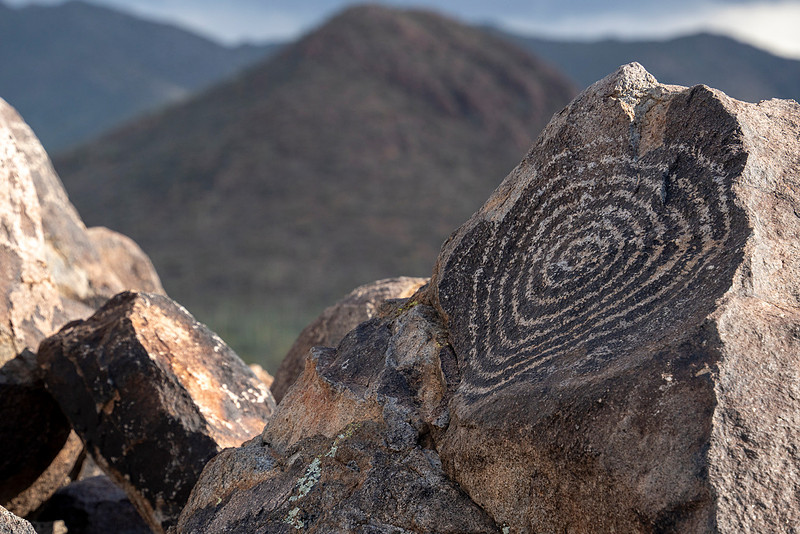
They aren't scenery.
They're part of a community.
Maybe that is what I loved most about photographing this place. The longer we spent there, the less the desert felt like a collection of isolated plants scattered across an empty landscape. Everything belonged to something larger.
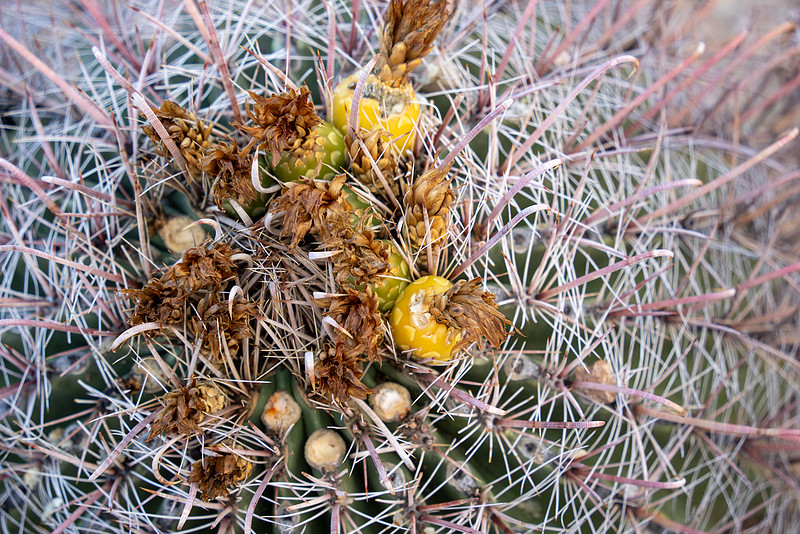
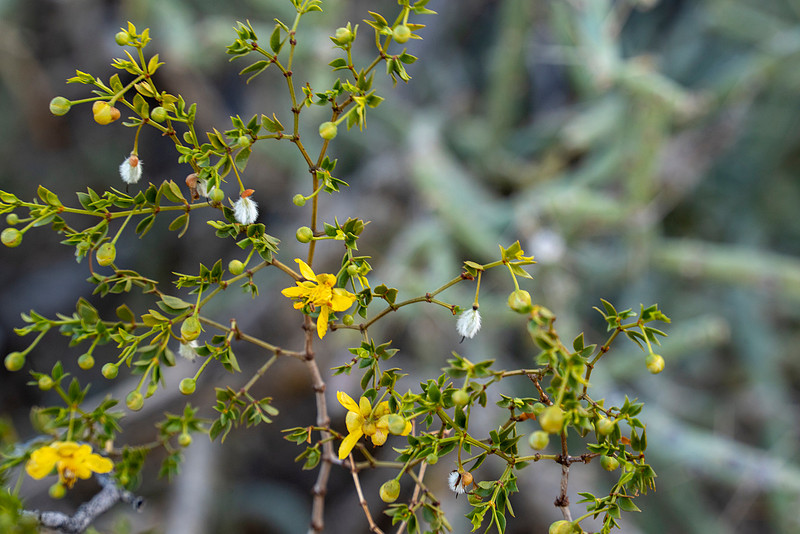
Our trip to Arizona was ultimately about celebrating people we care about. Saguaro was the adventure we tucked around the edges of that celebration.
And those extra days of exploring are such a gift and leave such a profound impact on me.
They give Melissa and me a chance to wander somewhere we’ve never been, learn a landscape together, pull over because something caught our attention, and spend a little while being curious about a corner of the world that looks nothing like home.
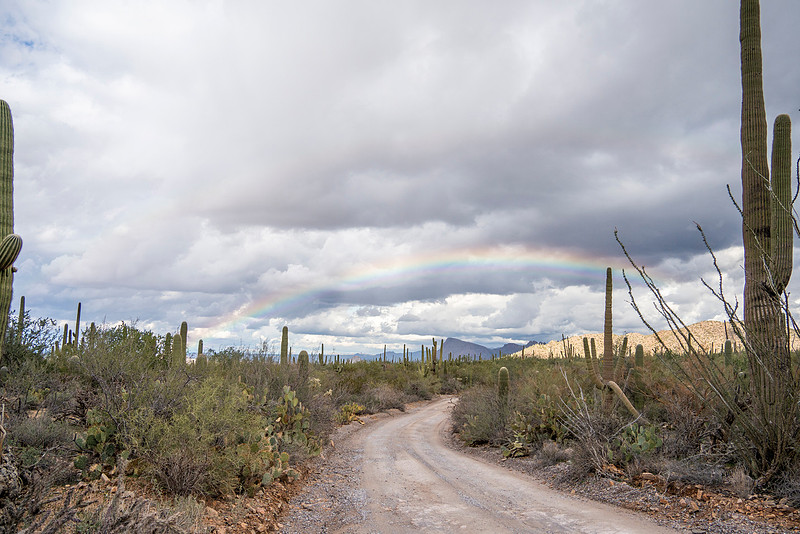
And this one really looked nothing like home.
Thousands of miles from Maine, standing beneath giant cacti in the Sonoran Desert, I found myself experiencing one of my favorite things about being outside:
That feeling of being reminded just how many different ways there are for a landscape to be alive.
]]>

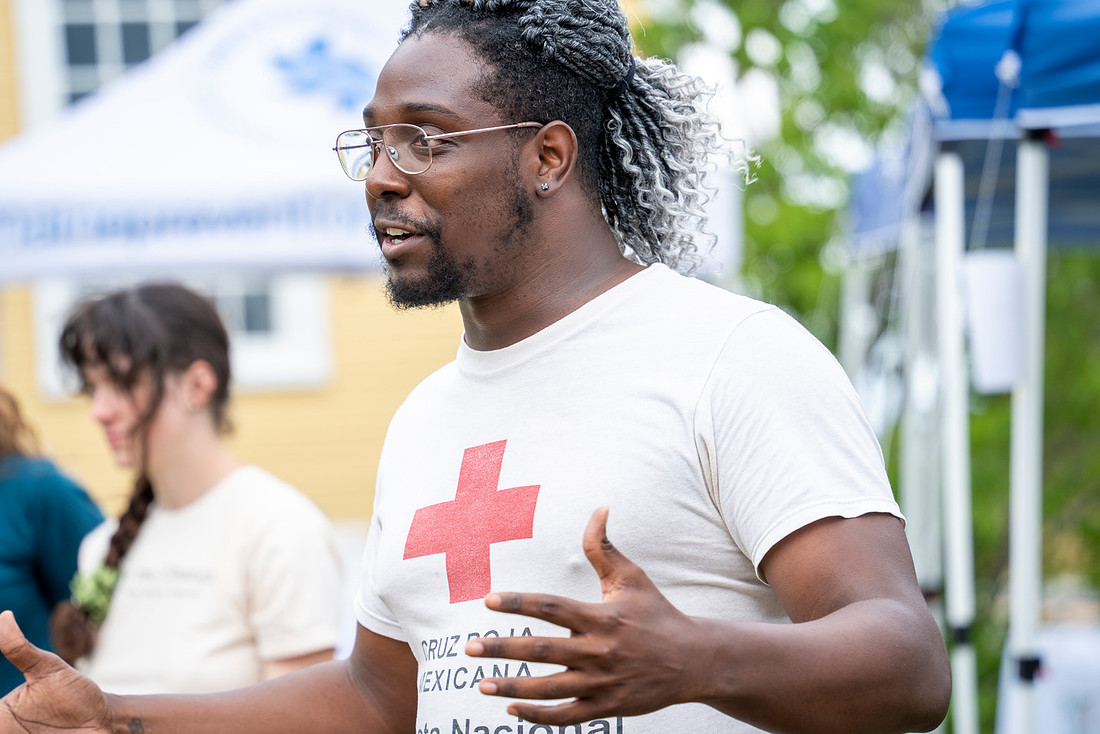
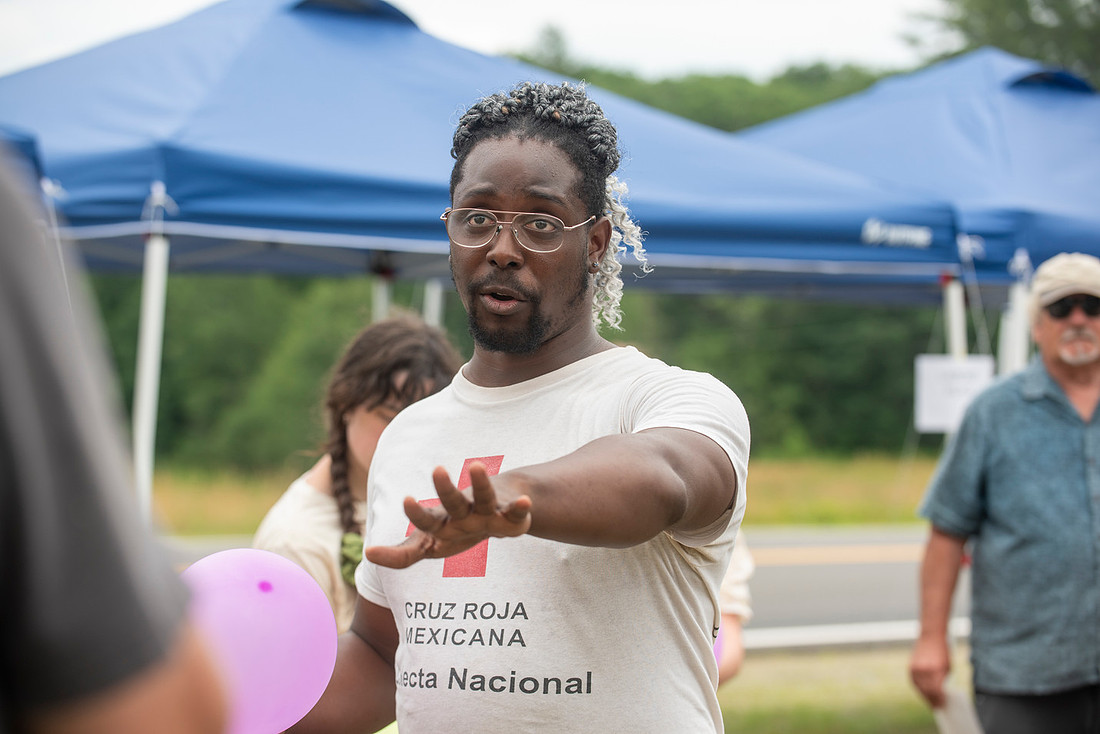
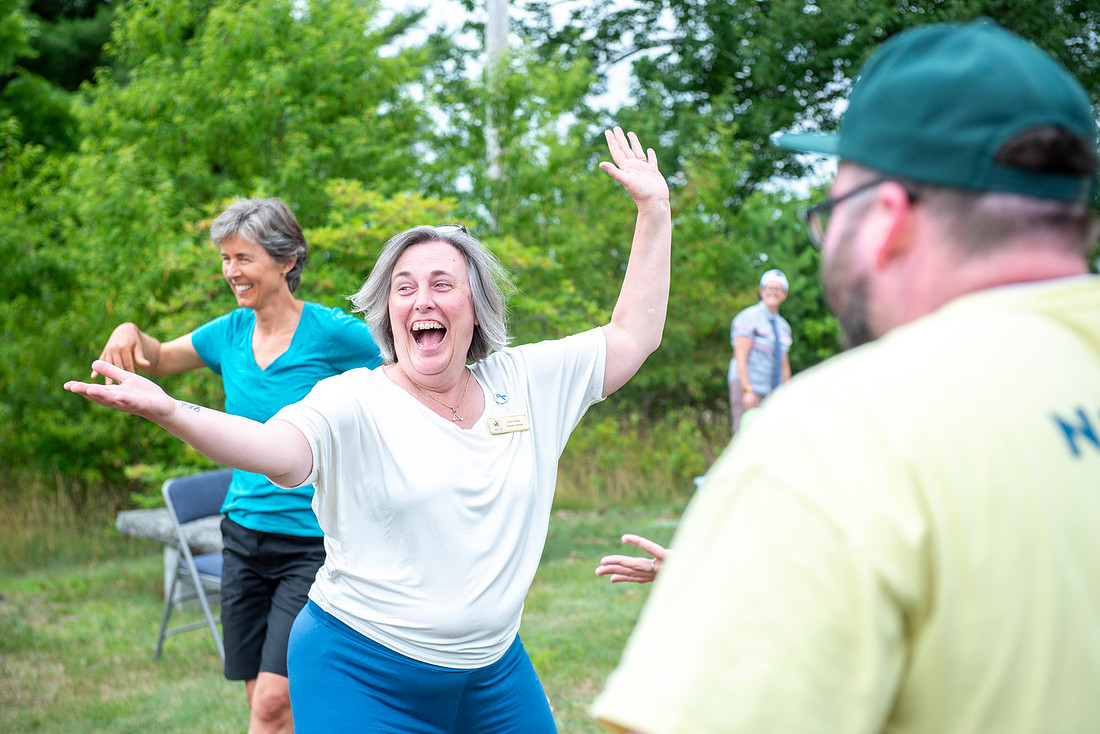
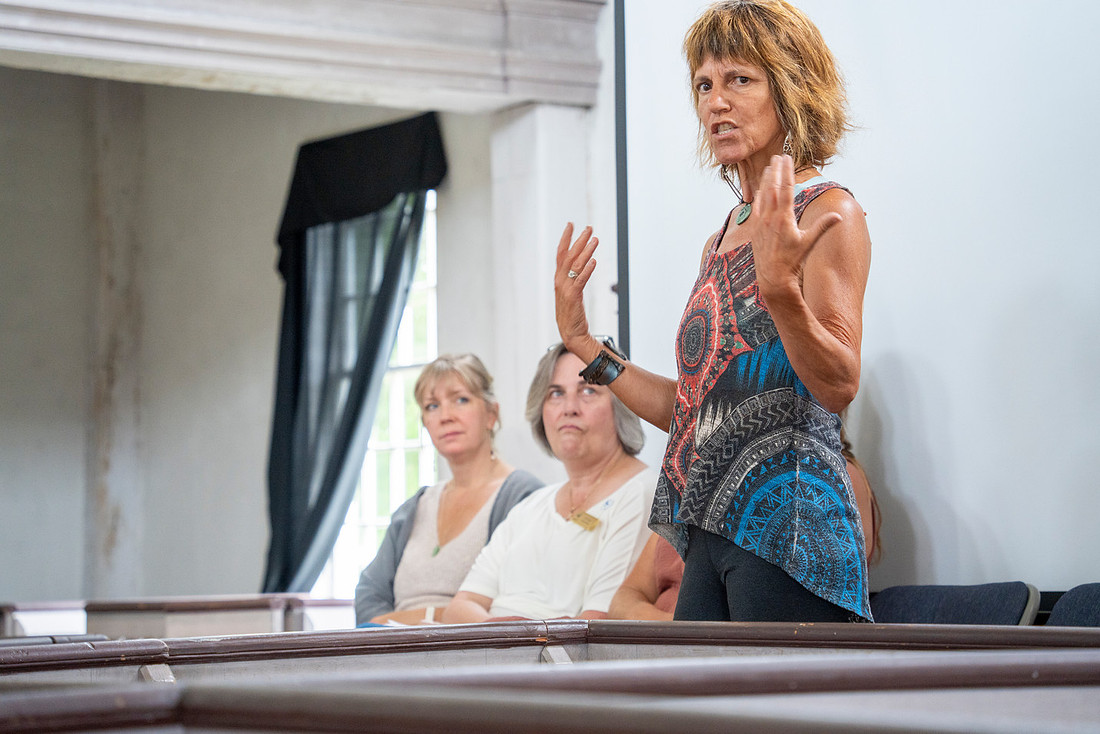
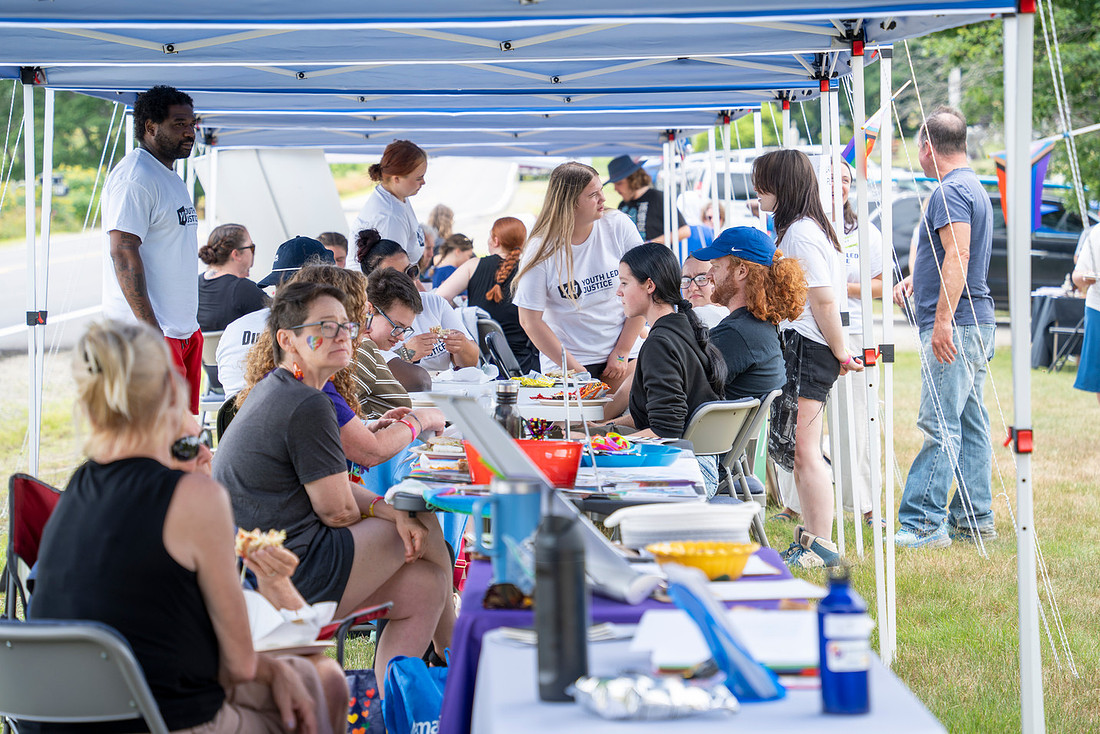
As a photographer and a trans man, this moment carried weight. These weren’t just photos to me—this was documentation of community, of courage, of connection. I worked to try and capture the scale of the crowd as it filled monument square and stretched up congress street. I ran up congress, shooting down the street, sidewalks packed to the brim with people spilling onto congress. By the time the rally peaked, all of congress street would be filled in by monument square.

I knew I had to find a way to show the scale of what was happening. So I made my way up to the second floor of the Portland Public Market, lifted the window open, and captured the crowd stretching as far as the eye could see. That image—of a city rising up together—feels like a pulse. A reminder. It moved me to my core. The image you see below is actually seven vertical images shot on my Sony A7C and stitched together to make this panorama.

Midway through the rally, I heard over the loudspeakers: “Next up, Senator Angus King.” I didn't hesitate—I grabbed my gear and raced back downstairs, weaving through the tightly packed crowd toward the stage. I arrived just in time to catch a few frames of the Senator addressing the crowd and connecting with folks face to face. Moments like that aren’t just political—they're human.


Everywhere I turned, I saw signs of hope. Literally—painted on poster boards, stitched into flags, written on faces. A local brass band played with fire in their bellies. Elders stood arm in arm with teenagers. Strangers shared handwarmers and smiles.


It’s easy to feel small in the face of so much injustice. But this rally, like so many happening around the country, is a powerful reminder: We are not alone. There are more of us than they want us to believe. And together, we rise.
💥 Let it remind you: you are not powerless. You are not alone. And there’s still so much you can do.
🗳️ Vote in every election
📣 Speak up
📞 Call your reps
📷 Document what’s happening
🤝 Organize locally
🧡 Love each other loudly
And never, ever forget: hope isn’t passive. It’s something we practice.
With love and in solidarity,
benn
*All Photos Copyright Benn Marine, High Res Available for Distribution Upon Request, editorial use permitted if credited to Benn Marine*
]]>

 ]]>
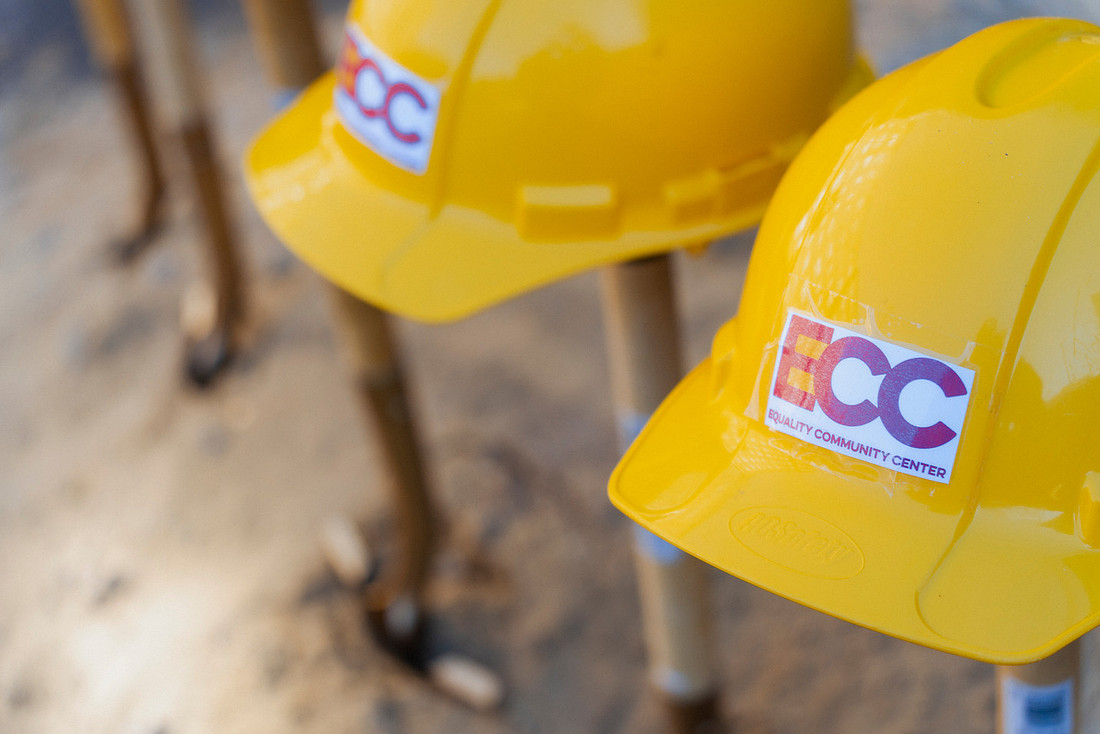
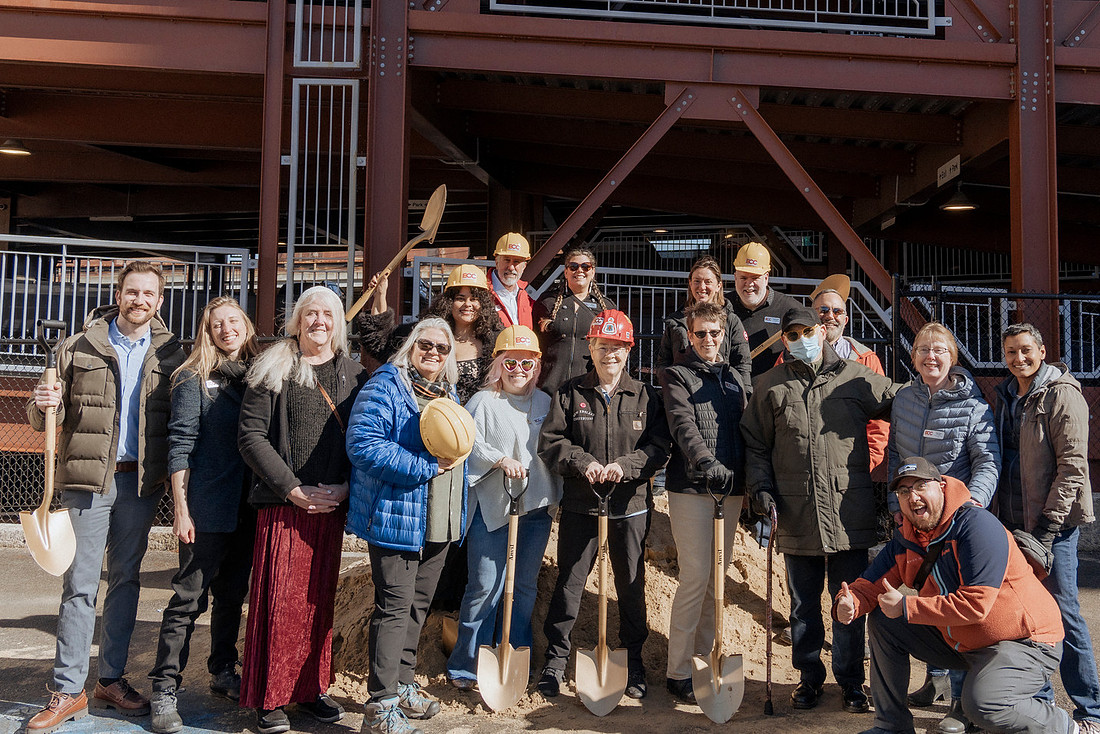
This wasn’t just another assignment—it was a milestone for a community I care deeply about. Equality Commons will create 54 new units of affordable housing in the heart of Portland, specifically intended to support LGBTQ+ people, asylum seekers, and other underserved community members. As someone who’s spent years behind the lens capturing moments of love, protest, resilience, and joy, this one felt particularly full-circle.
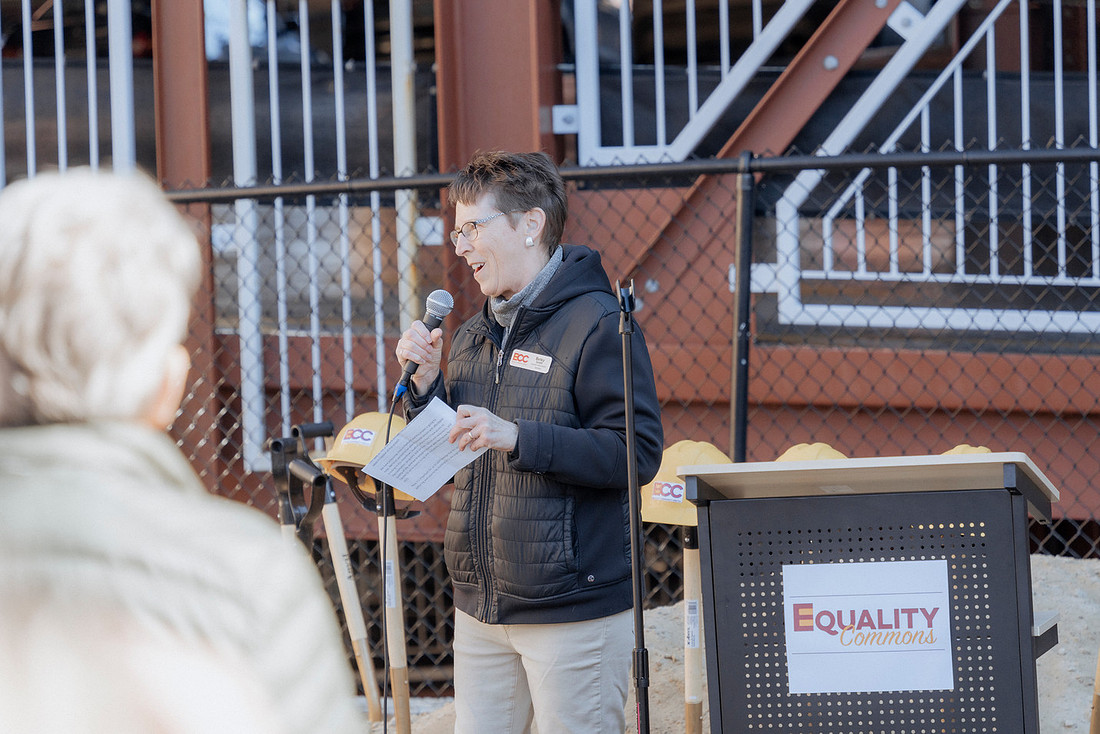
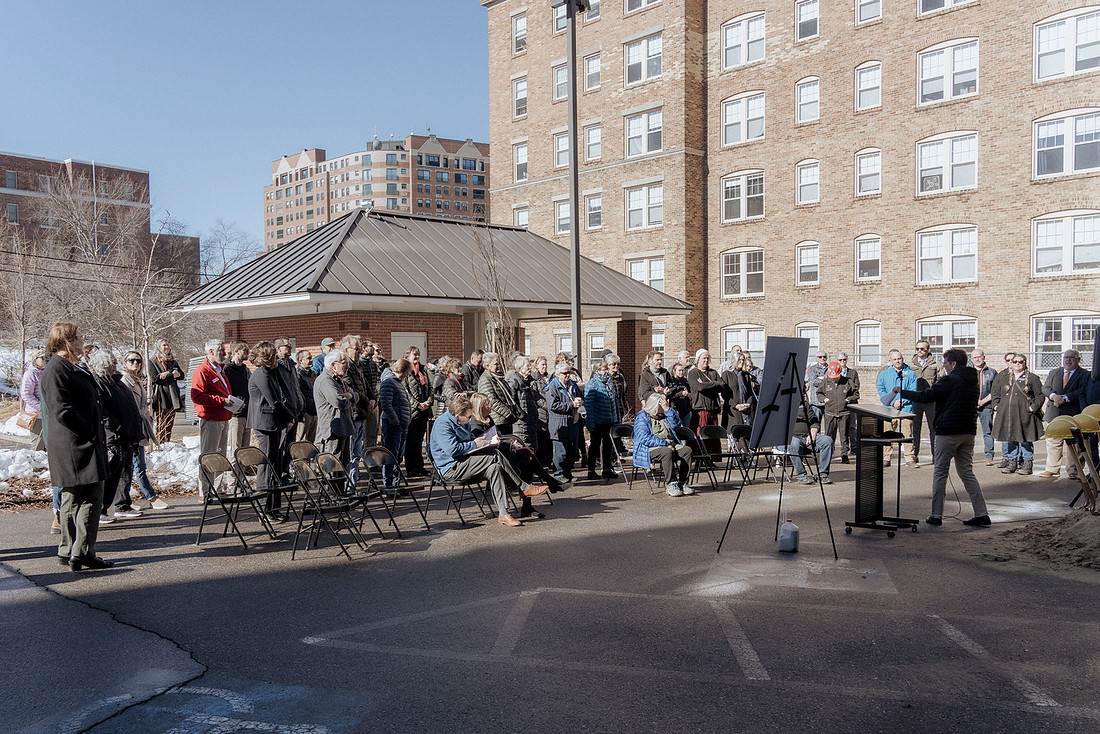
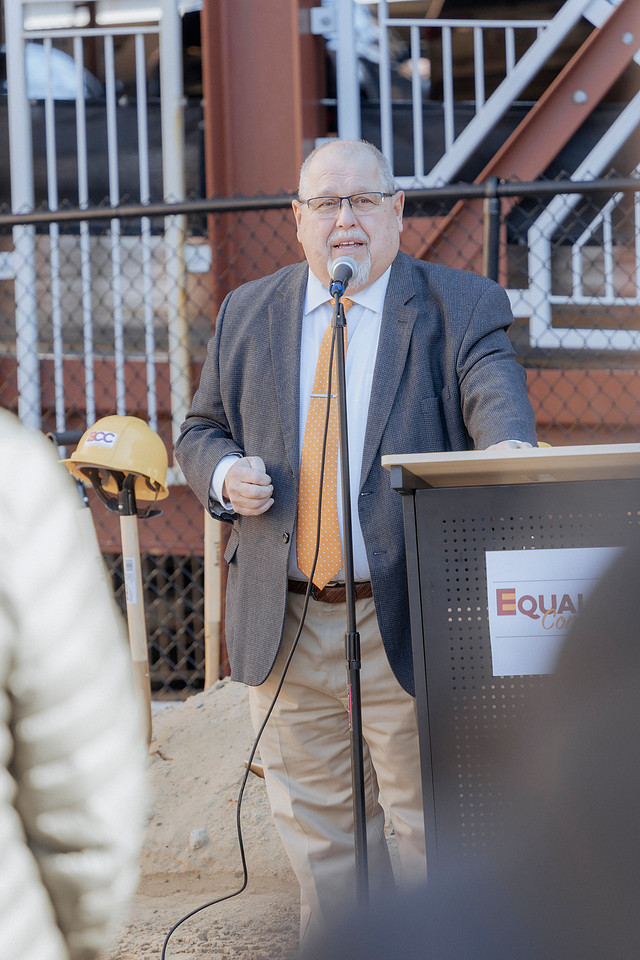
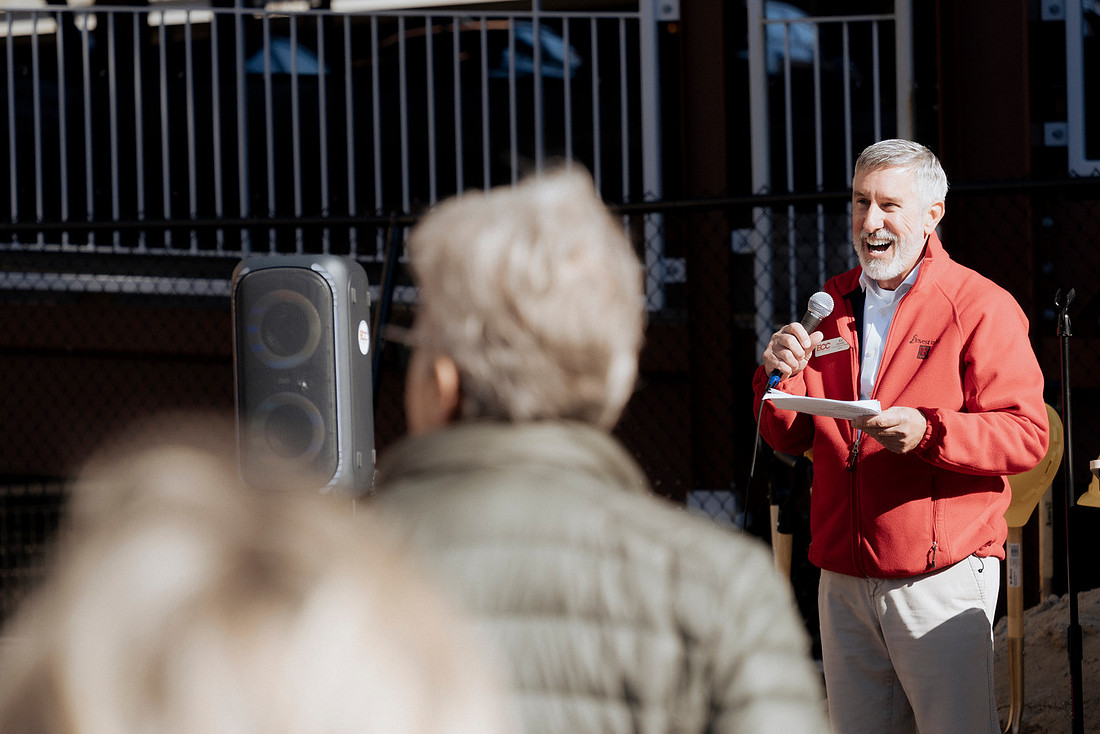
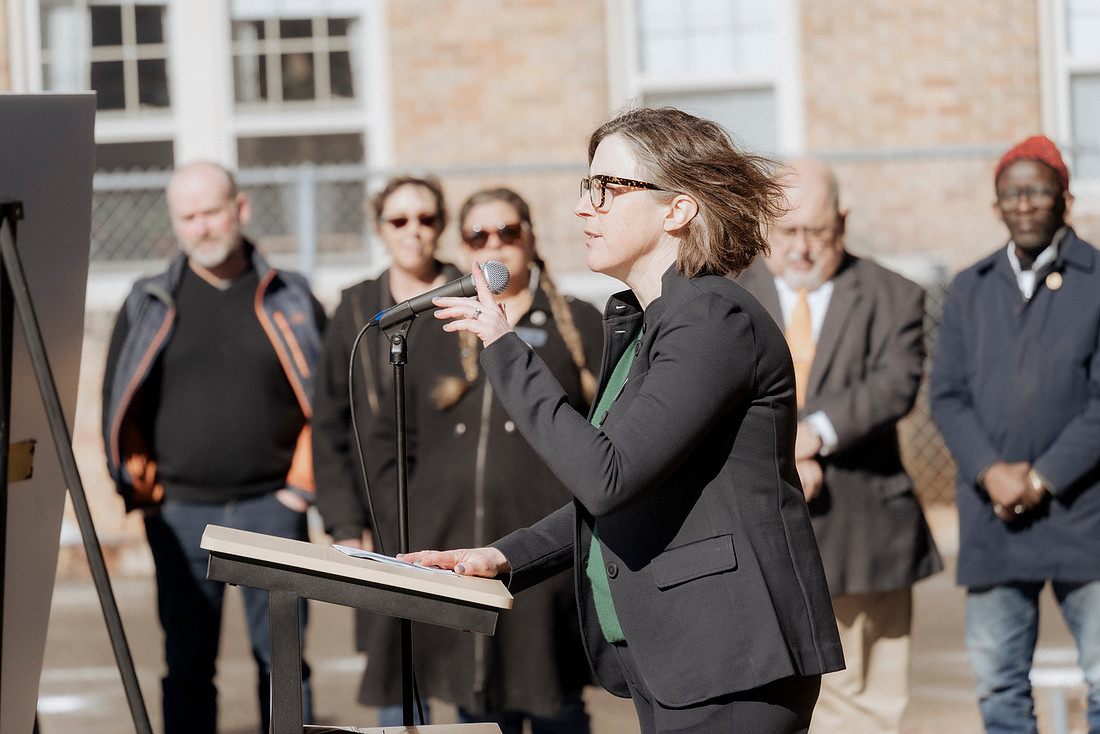
As speakers took the podium, I couldn’t help but feel the weight of what this groundbreaking represents. For many of us in the LGBTQ+ community, especially those who have experienced housing insecurity, this project is a beacon. It acknowledges the systemic gaps and actively works to close them.
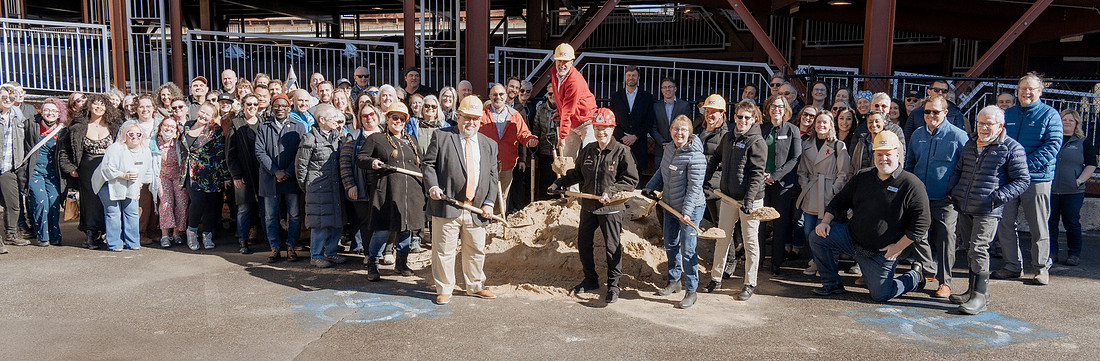 As someone who previously served on the board of the ECC, the team did ask that I join in on the team group photo, I feel honored and proud to have played a tiny part in this important work.
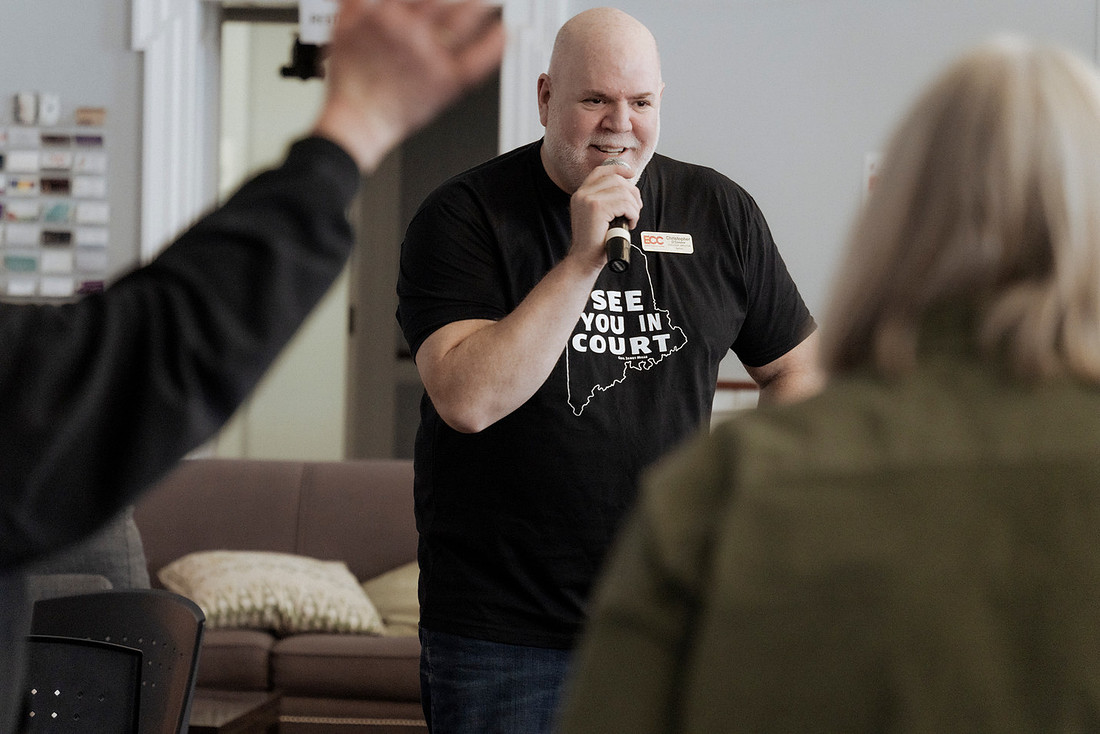
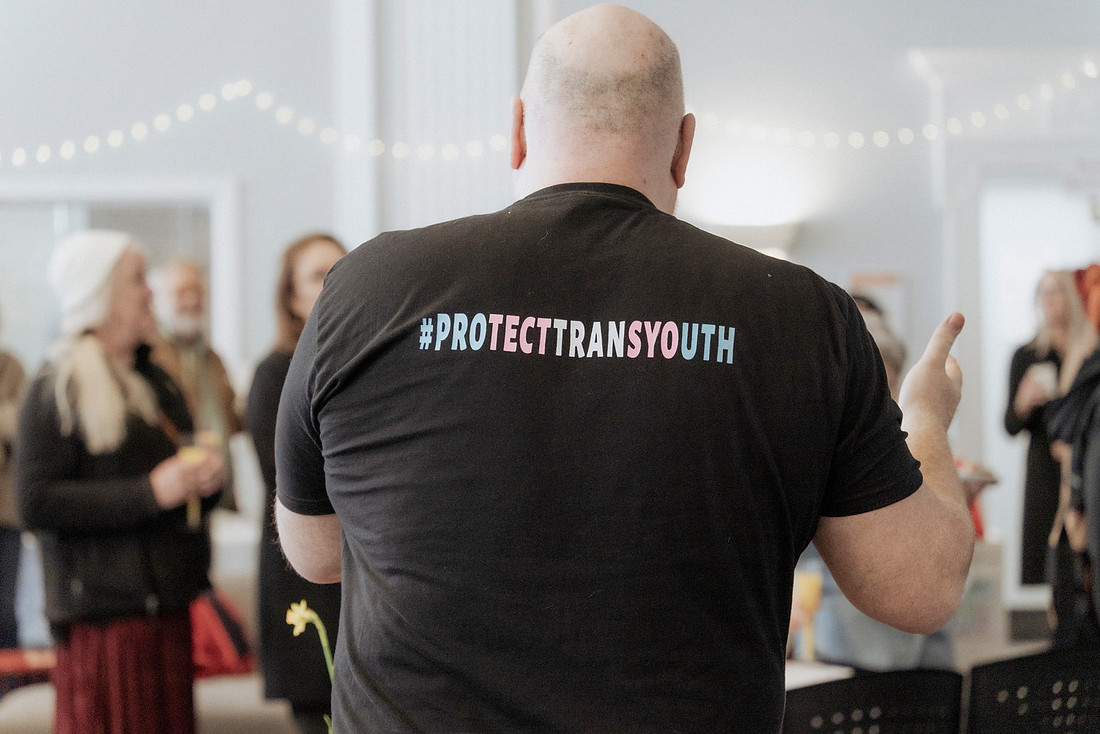
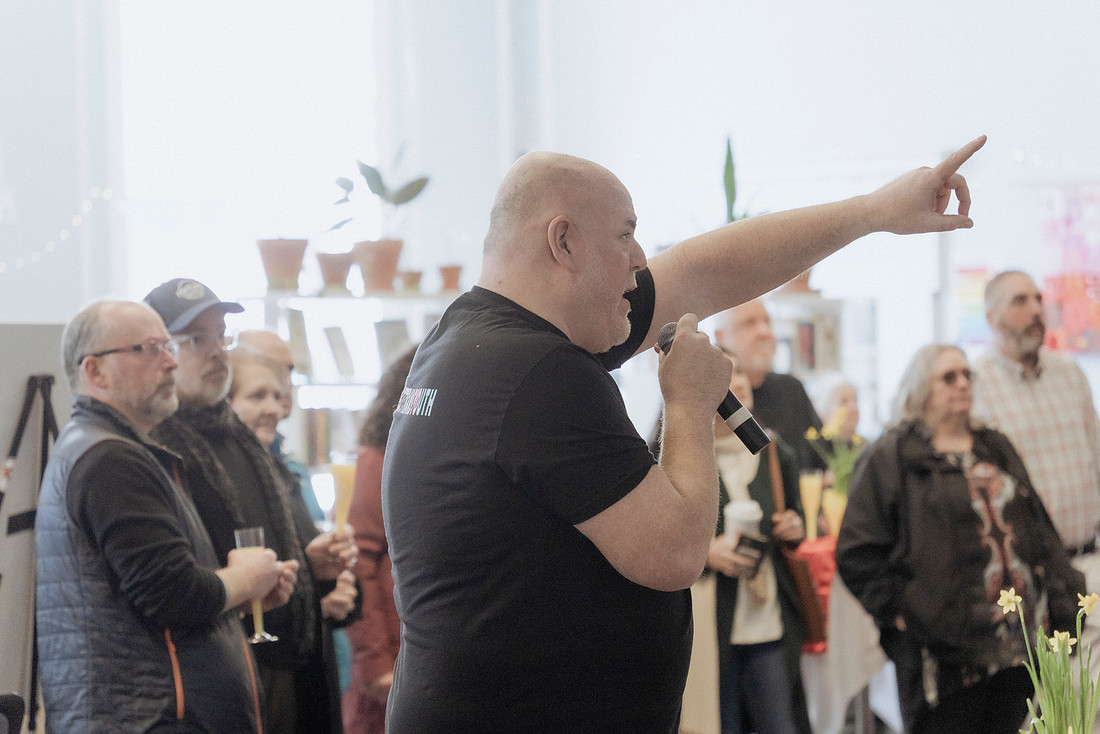
After the groundbreaking, we headed inside to toast and celebrate all that has been accomplished in the Equality Community Center. Chris O'Connor, the Executive Director of the ECC, shared with attendees the history of the space and the movement up to that point. Not going to lie, I was moved, and I was not alone.
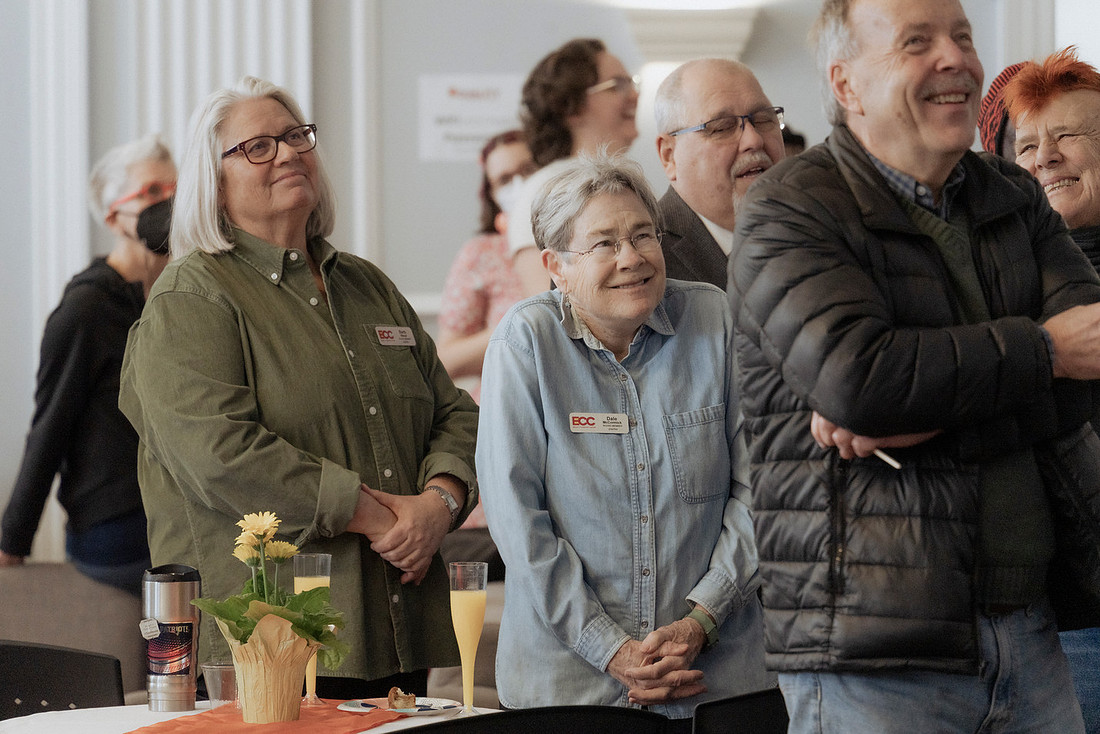
In the above photograph featuring Barb Wood, Dale McCormick, and Frank Brooks—stalwarts of the LGBTQ+ movement in Maine—I am profoundly reminded of the depth and resilience of our community's history. Barb Wood's pioneering spirit led her to become one of the founding members of the Maine Lesbian Gay Political Alliance (now EqualityMaine) in 1984, following the tragic murder of Charlie Howard. Her dedication paved the way for LGBTQ+ rights in our state. Dale McCormick's trailblazing journey as the first openly gay member of the Maine State Legislature, coupled with her role as the inaugural president of the same alliance, showcases her unwavering commitment to equality. Frank Brooks' extensive work as a social worker and educator has been instrumental in advocating for LGBTQ+ rights and integrating inclusive practices within social work education. Standing alongside these luminaries, I am deeply inspired and grateful to be part of a community enriched by their relentless pursuit of justice and equality.
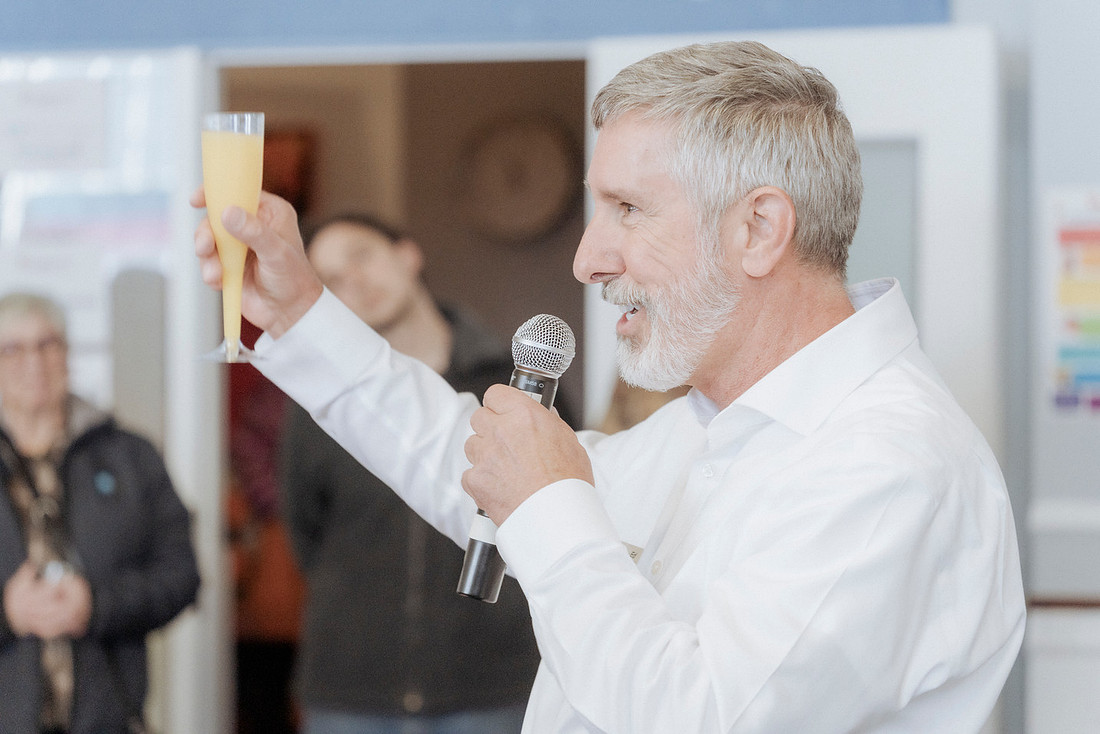
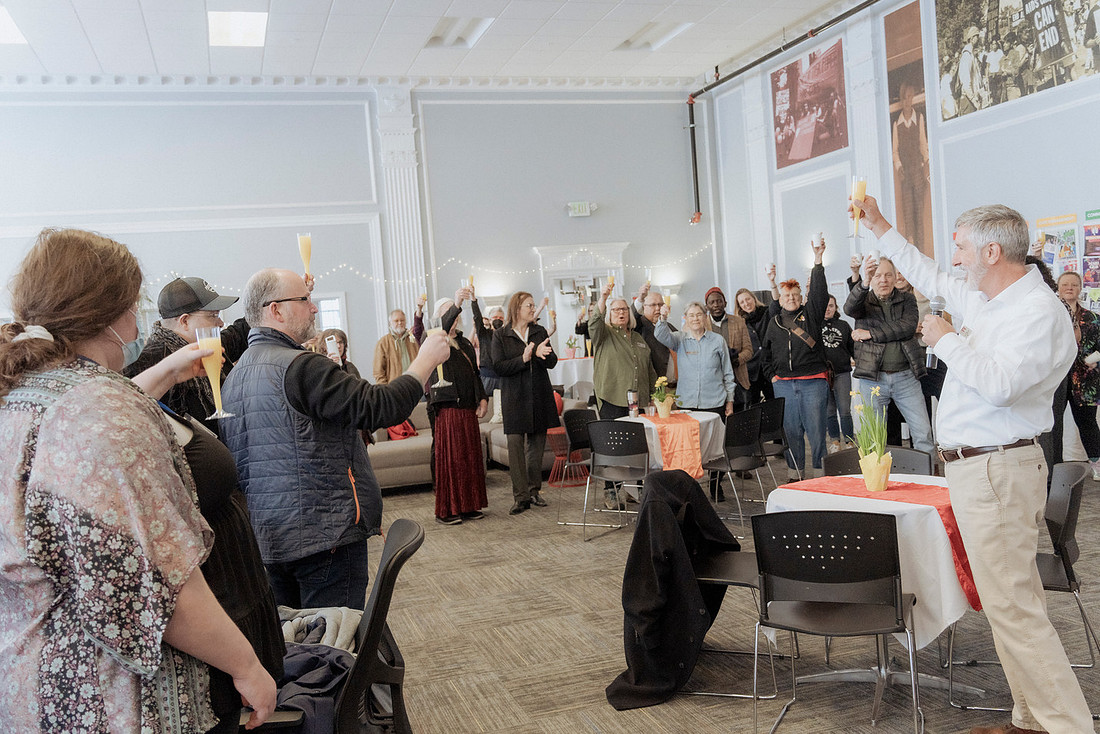
Being behind the camera at events like this reminds me why I do this work. These are the moments where change becomes tangible—where policy and planning meet hope and community. Through my lens, I get to preserve the emotion and energy of that transformation.
I’ll be watching closely as Equality Commons rises from the ground up—and I’ll be cheering it on every step of the way. Portland deserves spaces like this. We all do.
To learn more about the Equality Community Center and their work, or to support the project, visit eccmaine.org/housing.
And to view the full gallery of images from the groundbreaking, head over to my photo gallery here.
]]>
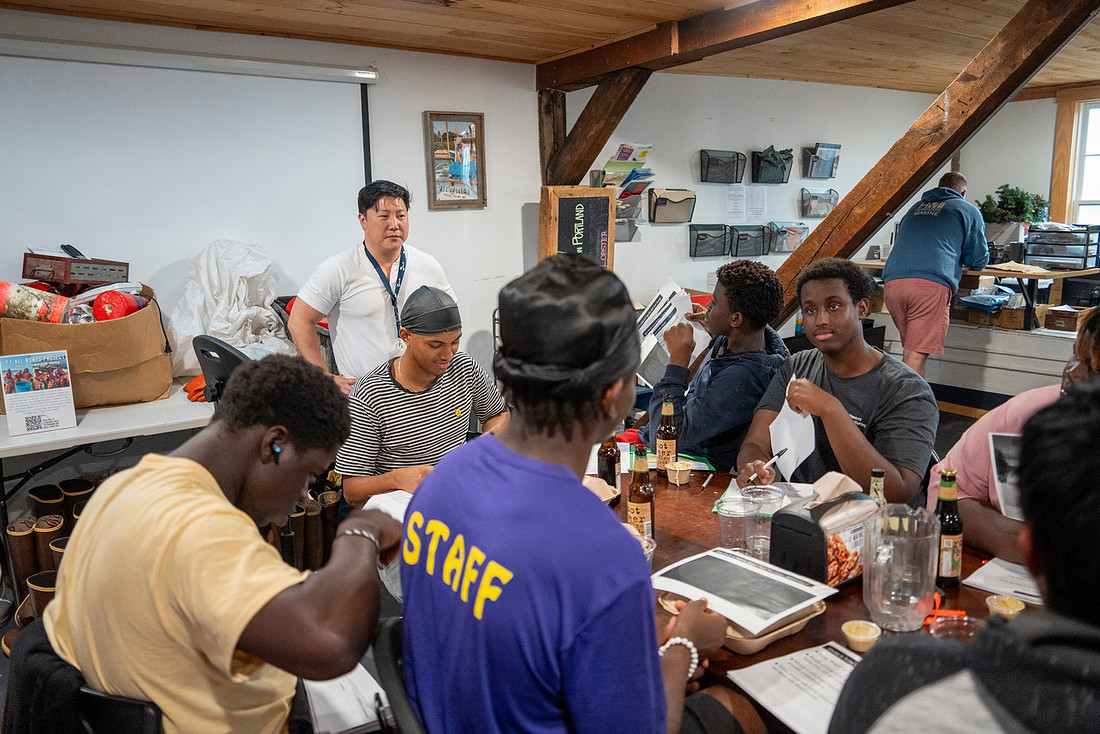

From the vibrant magenta beans cradled in dirt-covered palms to the golden light of a harvest morning, every frame tells a story of intention, care, and connection. The Ecology School, with its regenerative campus and immersive learning gardens, was the perfect backdrop for this story. It’s a place where students, educators, and growers come together to explore the interwoven systems of soil, food, and sustainability.
What I love most about working with Coast of Maine is how real it all is—no staged perfection, just honest, earthy goodness. These are the kinds of images that don’t need to be polished; the dirt on someone’s hands, the act of planting, harvesting, and building community—that’s the gold.
One of my favorite shots from the day was of a greenhouse doorway with the sign: "Live like you'll die tomorrow. Farm like you'll live forever." That quote hit me hard. It’s a powerful reminder of the legacy we leave behind and the hope we sow with each seed, each act of care, each composted scrap turned into nourishment.
I walked away from this shoot not just with a memory card full of photos, but with a deepened appreciation for the quiet revolution happening in gardens and farms across the country. A revolution led by brands like Coast of Maine and cultivated by educators like those at The Ecology School.
Here’s to growing boldly, organically, and in community.


]]>


We landed in Asheville and needed a place to crash for one night before we hit the trail the next day so we stayed at the Sweet Pea hostel, highly recommend staying there if you need to crash while passing through or spending time in Asheville. Not to be confused with the images below, which are from the first shelter we stayed in on the trail.


This was the first shelter we stayed at and were greeted with a gorgeous morning sunrise.

This is my classic, explosion that happens when we reach our destination each day.

31 miles in!!!

Walking through the town of Hot Springs.

Max Patch - we were here just in time for a lovely thunder storm! Check out the photo below, you can even see the faint line from a lightning strike just above my head. Yop, we hustled out of there pretty quick. So much for a lunch break....


Charlie's Bunion!!


Looking back at Hot Springs after we ascended out of the valley.

We camped out on top of Snowbird Mountain, pure magic to setup/packup camp and eat dinner/brekky while watching the sunset/rise. LLB provided us each with our own microlight 1 person backpacking tents. These things were awesome, especially for only weighing in at only 2 lbs and 4.5 oz. They also pack super tiny and take up very little space. These tents were loaned to us for this trip, but the two person version is on my wishlist for sure (I gotta have room for Remy, my doggo!!). Also, in the photo below you can see one of the hiking poles we used. Those were also on loan to us from LLB, the antishock hikelite poles. They were amazing and it was also my first time hiking with poles and now I will never hike without them. I've since bought my own pair, I love the crud out of them.


This is what happens when you hike in the rain all day. My Oboz hiking boots held up though! Feet never got wet once and I stayed nice and dry in my rain pants and jacket.


Note for next time, don't forget to duck when you charge under a fallen tree... the Smoky Mtns left their mark!
]]>


]]>


 ]]>


